


Filming in the region dates back to 1895, when the Lumière brothers filmed The Arrival of a Train at La Ciotat Station (L’Arrivée d’un train en gare de La Ciotat). More than a century later, productions arriving in Provence-Alpes-Côte d’Azur follow a well-mapped route, and it starts with a single contact.
That contact is the Commission régionale du film, a service of the Région Sud and a member of the national Film France network. Rather than working alone, the Commission leads and coordinates around 17 local film commissions and film offices, from Marseille, Nice and Aix-en-Provence to Arles, the Var, Luberon-Vaucluse, Toulon and the Southern Alps. In other words, wherever a production lands, a local contact is already waiting.
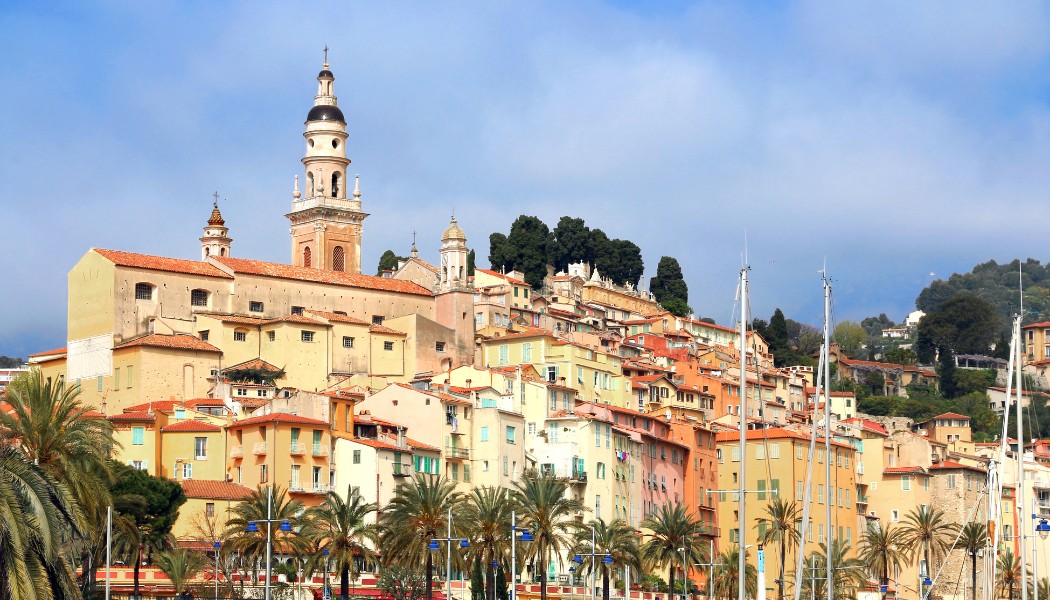
From there, the search for the right setting begins, and the choice is wide. The Region counts 2,500 hours of sunshine a year and 883 km of coastline, along with calanques, the Camargue marshes, lavender fields, the perched villages of the Luberon and the snow-capped Alps. In fact, the Region says it can even stand in for Canada, Los Angeles, Texas, Italy, Greece and Algeria. To help productions choose, the local offices provide location research, pre-scouting and scouting, all free of charge.
Once a location is set, attention turns to people and logistics. The network helps productions hire local technicians, cast local actors and extras, and identify technical service providers. It can also help find a local line producer, a studio or a backlot. Meanwhile, it assists with filming permits and shares information on accommodation and transport.
When a shoot needs to move indoors, the region has options too, including Studios de la Victorine in Nice, Provence Studios in Martigues and La Bastide Rouge in Cannes, alongside post-production studios.
Of course, none of this happens without financing. In partnership with the CNC, the Region offers production grants of €100,000 to €250,000 for feature films and animated features, up to €150,000 for TV series and TV animation, and up to €100,000 for video games. Production companies from outside the EU apply through their French co-producer, and in return, spending in the region must equal at least 160% of the grant.
Beyond live action, animation stands out. The Region has supported it since 2010, and its animation fund, now worth €1.4 million, has financed more than 100 projects. On top of that, three new funds launched since 2024 have added €525,000. The sector draws on 15 regional studios and two schools, MOPA in Arles and ENSI in Avignon.
From the Lumière brothers’ train at La Ciotat to today’s network of local film offices, the region has long welcomed the camera.
Read more: Cinema & Video International Issue #209