


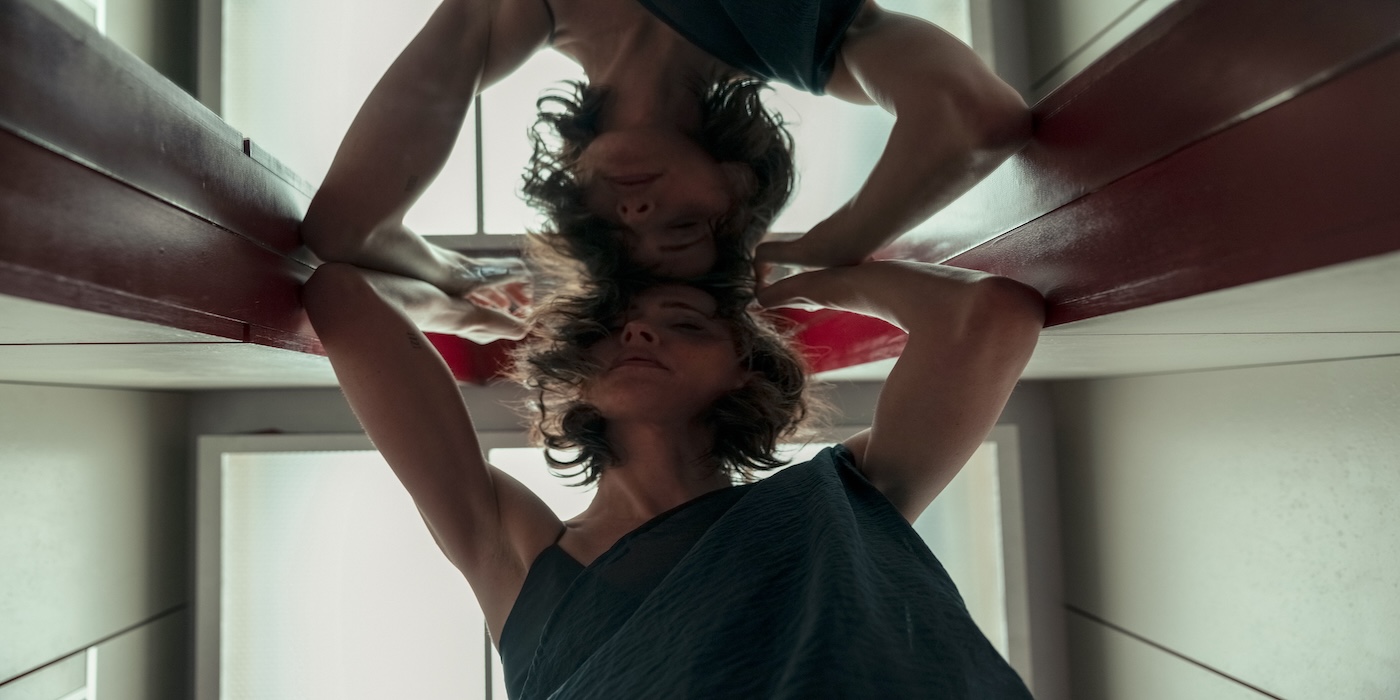
This interview with producer, Adrià Monés, producer of The End of It, is part of The Market Insider, an industry-focused podcast conducted in collaboration with FRED Film Radio during the 79th Cannes Film Festival.
Unveiling the Significance of The end of It in Contemporary Cinema
Adrià Monés, CEO and founder of the Spanish production house Fasten Films, talks about the co-production of The End of It, debut film by Maria Bayona, in Cannes Premiere Selection, co-produced with Elation Pictures (UK), Eye Eye Pictures (Norway), Fasten subsidiary company Cobalt Films, the BBC, the BFI and Creative England. Starring Rebecca Hall, Noomi Rapace, Gael García Bernal.
The film’s premise, which revolves around a society where people can live forever unless they choose to die, is both provocative and relevant to current debates on medical and technological advancements.
The narrative centers on a woman who, after reaching her 250th birthday, grows tired of her endless life and seeks to end it. The film prompts audiences to consider how future societies might grapple with similar ethical dilemmas, all while infused with black humor and dark satire. The end of It serves as a thought-provoking mirror to our own world and its potential future.
How The end of It was developed and financed
The development of The end of It underscores the importance of nurturing talent and building collaborative international projects. Fasten Films aimed to bring Maria Bayona’s ambitious vision to life, despite the high budget and sci-fi genre’s challenges. Financing involved a strategic mix of public and private sources, including UK-based BBC, Canary Island tax credits, key European subsidies, and American equity. This complex funding structure highlights the film’s significance as a first feature for a director, demonstrating how perseverance and diverse partnerships can make such projects feasible.
Production took place mainly in Tenerife, Canary Islands, due to its versatile locations and supportive film commission. Additionally, a small studio in London was used for the film’s concluding scenes.